Guide
Best Parawing Foiling Spots in the UK: Where to Ride in 2026
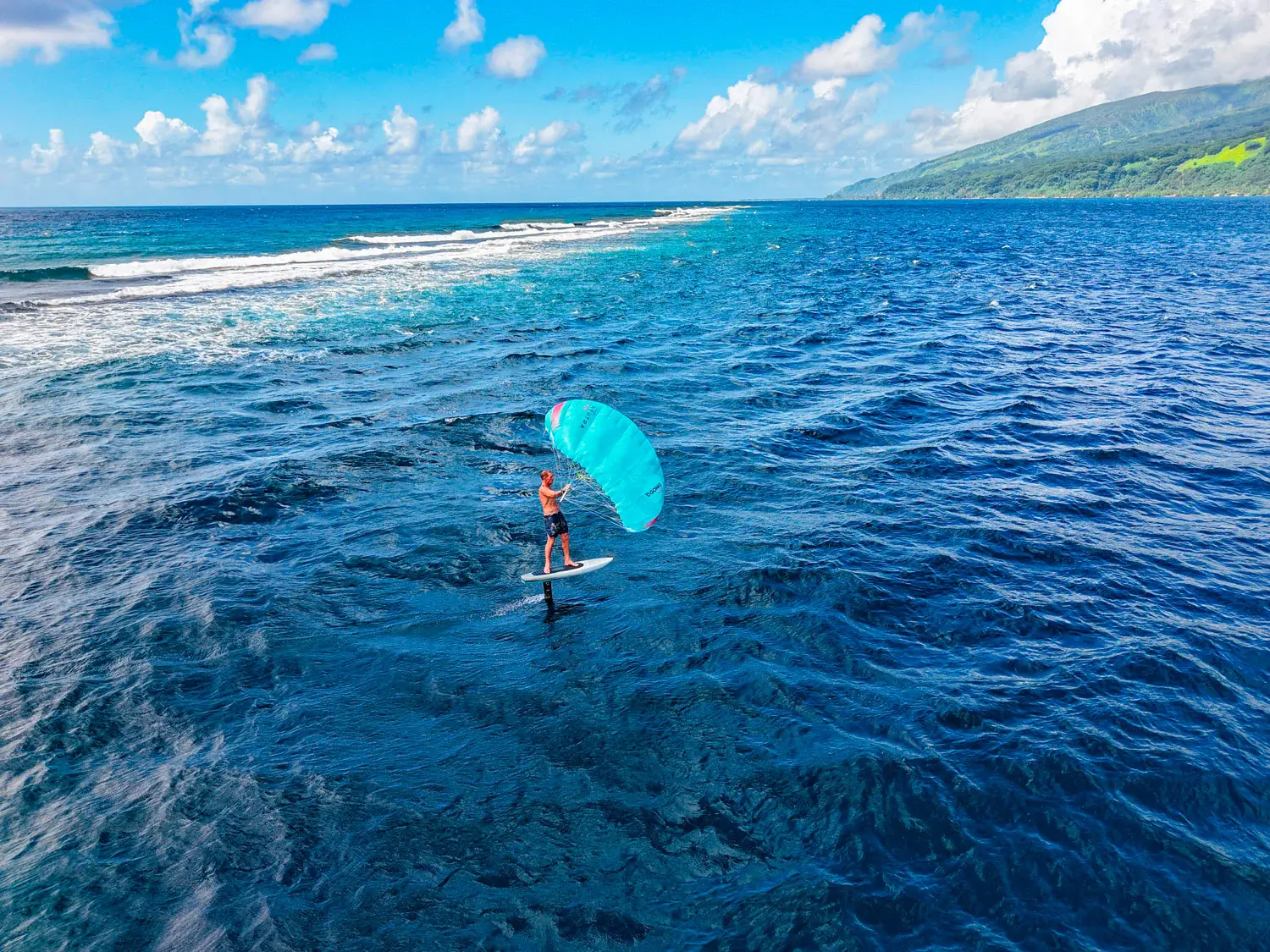
The UK has no shortage of wind and water. What it has a shortage of is parawing foiling-specific guidance. Every “best foiling spots” list is written for wingfoilers or kiteboarders, and while there’s overlap, parawing foiling has its own requirements. You need consistent wind direction (not just strength), accessible launch points with space to rig, and ideally flat or light-chop water that lets you focus on the foil rather than fighting the surface.
This guide covers the UK spots that work best for parawing foiling, what makes each one suitable, and what to watch out for.
What Makes a Good Parawing Foiling Spot?
Consistent wind direction. Parawings perform best in steady, directional wind. Spots that funnel or channel wind (harbours, estuaries, headlands) tend to provide cleaner airflow than exposed beaches where the wind swirls.
Cross-shore or cross-onshore wind. Wind blowing parallel to the beach (cross-shore) is ideal. You can ride upwind and downwind along the coast with the safety of shore always within reach. Onshore wind works but is often gusty near the waterline. Offshore wind should be avoided unless you have safety support.
Flat water or light chop. Parawing foiling is quieter and lower-energy than kiteboarding. Flat water lets you focus on the foil and wing without fighting waves. Sheltered harbours, tidal flats, and inland lakes offer the best conditions.
Launch space. You need 3 to 4 metres of clear space to lay out a parawing and sort the lines. That’s much less than a kite, but you still need a clean, obstacle-free area. Avoid launching near rocks, groynes, or crowds.
Depth and tide. Shallow water at low tide can expose your foil to the bottom. Deep water further from shore increases the stakes if something goes wrong. A spot that offers waist-to-chest depth water within 50 metres of shore is ideal for learning and safe for experienced riders.
South Coast
The south coast gets the most consistent wind in England, with prevailing south-westerlies providing cross-shore conditions at many spots.
Hayling Island, Hampshire
One of the UK’s most established wind sports locations. The wide, shallow lagoon inside Hayling Island provides flat water in cross-shore south-westerly wind. The main beach faces south, giving good exposure to the prevailing wind direction.
Wind: South-westerly is cross-shore. Works in 10 to 25+ knots. The shallow lagoon stays flat even in stronger wind.
Launch: Large beach with plenty of rigging space. Hayling Island Sailing Club operates from the beach.
Watch out for: Crowded on good days (kiteboarders, wingfoilers, sailors). Give space. Tide exposes mud flats at low water.
West Wittering, West Sussex
A wide sandy beach facing south-west, with the shelter of the harbour mouth providing flatter water inside the entrance. The beach is popular but large enough to find space.
Wind: South-westerly is onshore to cross-onshore. Works best in 12 to 20 knots. Gusty in strong onshore conditions.
Launch: Sandy beach with good access. Paid car park. The harbour entrance offers sheltered flat water.
Watch out for: Strong currents at the harbour entrance on ebbing tide. Busy in summer.
Camber Sands, East Sussex
A long, flat sandy beach with shallow water extending well offshore. The flat beach and gradual depth make it a forgiving spot for learning.
Wind: South-westerly is cross-onshore. Works in 12 to 25 knots. Less sheltered than Hayling but the shallow water and flat beach compensate.
Launch: Extensive beach with ample rigging space. Less crowded than Hayling or Wittering.
Watch out for: Can be exposed in strong wind. Limited facilities compared to Hayling.
Portland Harbour, Dorset
A large, sheltered harbour with flat water in most wind directions. Portland is one of the UK’s premier sailing venues, and the consistent wind and protected water make it excellent for parawing foiling.
Wind: Works in almost any direction due to the harbour’s size and orientation. South-westerly is cross-shore along the harbour’s north side. 10 to 25 knots.
Launch: Multiple access points around the harbour. Portland Sailing Academy offers facilities.
Watch out for: Sailing events can restrict access. Strong tidal flow at the harbour entrances.
South West
The south-west coast gets the strongest and most consistent wind in England, but the exposed coastline means conditions are often rougher than the south coast.
Poole Harbour, Dorset
One of the largest natural harbours in the world. Flat water, consistent wind, and multiple launch points. Poole Harbour is arguably the best all-round parawing foiling location in the UK.
Wind: South-westerly funnels into the harbour, providing steady cross-shore wind along the inner beaches. Works in 10 to 25+ knots. The harbour stays flat when the open sea is rough.
Launch: Sandbanks, Baiter Park, and Poole Harbour Watersports all provide good launch access.
Watch out for: Boat traffic in the main channel. Stay in the shallows away from the ferry route and main navigation channels.
Exmouth, Devon
A wide estuary where the River Exe meets the sea. The estuary provides sheltered flat water, and the sand bars at low tide create shallow areas ideal for foiling.
Wind: South-westerly is cross-shore along the estuary. The estuary funnels wind effectively. Works in 12 to 25 knots.
Launch: Good access from Exmouth beach and along the estuary.
Watch out for: Strong tidal currents in the main channel. The estuary drains significantly at low tide, exposing sand bars.
Marazion, Cornwall
Across the bay from St Michael’s Mount. A long beach with prevailing south-westerly wind providing cross-shore conditions. The bay offers some shelter from the open Atlantic.
Wind: South-westerly is cross-shore. Works in 12 to 25 knots. The bay provides partial shelter from Atlantic swell.
Launch: Sandy beach with good rigging space. Less crowded than many south-west spots.
Watch out for: More exposed than harbour spots. Can get rough in strong wind. Cold water year-round.
East Coast
The east coast is colder and less consistent than the south, but northerly and easterly wind days provide excellent conditions at specific spots.
Whitstable, Kent
A long, shallow tidal flat that extends well offshore at low tide. When the tide comes in over the flats, you get knee-to-waist depth water with a flat surface: ideal for parawing foiling.
Wind: Northerly and north-easterly are cross-shore. Works in 12 to 25 knots. The shallow flats stay flat even in moderate wind.
Launch: Good access from the beach near the harbour. Easy rigging on the hard sand.
Watch out for: Tidal timing matters. At low tide, the water is too shallow. At high tide, the flat area is deeper and further from shore. Plan sessions around mid-tide.
Southend Flats, Essex
Similar to Whitstable: extensive tidal flats that provide shallow, flat water over a large area. Popular with kiteboarders and increasingly with foilers.
Wind: Southerly and south-westerly are cross-shore. Works in 12 to 25 knots.
Launch: Multiple access points along the seafront. Ample rigging space on the flats at low tide.
Watch out for: Mud can be soft in places. Check the surface before walking out. Strong tidal currents at the edges of the flats.
Inland
Inland lakes and reservoirs offer the flattest water and the most controlled conditions. Wind is typically lighter and less consistent than the coast, but when it blows, the conditions are ideal for parawing foiling.
Rutland Water, Rutland
One of the largest reservoirs in England. Flat water, no tidal concerns, and consistent wind when it arrives. Several sailing clubs operate on the water.
Wind: Exposed position means it picks up wind from most directions. Works in 12 to 25 knots. No shelter from surrounding hills, so wind can be gusty.
Launch: Access through sailing clubs. Check local rules for foiling and powered craft.
Watch out for: Sailing club rules may restrict where and when you can foil. Check before visiting.
Grafham Water, Cambridgeshire
A large reservoir with good wind exposure and flat water. Popular with dinghy sailors and windsurfers, with growing interest from foilers.
Wind: Similar profile to Rutland. Works in 12 to 25 knots from most directions.
Launch: Grafham Water Sailing Club provides access.
Watch out for: Club membership or day permits may be required. Check in advance.
Bewl Water, Kent/East Sussex
A reservoir on the Kent/Sussex border. More sheltered than Rutland or Grafham, which means lighter wind but also calmer conditions when it does blow.
Wind: More sheltered. Needs 14+ knots to be reliable. Works well in south-westerly wind.
Launch: Access through the sailing club.
Watch out for: Lighter wind means you may need a larger parawing (5.0m to 6.5m). Check forecasts carefully.
Wind Seasons and Conditions
Best months for parawing foiling in the UK
March to May (spring): Increasing wind strength, cold water (4/5mm wetsuit needed). Longer days mean more session time. Often the windiest months.
June to August (summer): Lighter, less consistent wind. Warmer water (3/2mm wetsuit). Best for light wind parawing foiling with larger wings. Inland spots become more viable.
September to November (autumn): Wind returns. Water is still warm from summer (3/2mm to 4/3mm). Often the best overall conditions: strong wind and warm water together.
December to February (winter): Coldest water (5/4mm+ wetsuit and boots/gloves). Wind is strong but conditions can be harsh. Shorter days limit session time. Not for beginners, but experienced riders get excellent conditions.
Prevailing wind
The UK’s prevailing wind is south-westerly. Most coastal parawing foiling spots are oriented to work with this direction. When the wind shifts to northerly or easterly, east coast spots become the best options.
Frequently Asked Questions
Can I parawing foil at my local beach?
Probably, if the wind is cross-shore and the water isn’t too rough. The requirements are simpler than kiteboarding: you need less beach space, shorter safety zones, and no dedicated launch/land areas for long lines. Check local regulations for foiling and powered craft.
Do I need a wetsuit?
Year-round in the UK, yes. Even in summer, UK water temperatures rarely exceed 18°C. A 3/2mm wetsuit covers June to September. A 4/3mm or 5/4mm covers the rest of the year. Boots, gloves, and a hood are recommended from November to March.
Are there any parawing foiling lessons in the UK?
Formal parawing foiling lessons are still rare. Some water sports centres at Hayling Island, Poole, and Portland offer general foiling tuition that transfers well. The Flysurfer POW Academy video series is a useful free resource for self-learning. Check local sailing and kite clubs for instructors who have experience with parawings.
What about Scotland, Wales, and Northern Ireland?
Scotland’s east coast (particularly the Firth of Forth) and the west coast of Wales (Rhosneigr is popular with kiters and wingfoilers) both work for parawing foiling. Northern Ireland’s north coast gets strong Atlantic wind. These areas are colder and more exposed, suiting experienced riders with appropriate wetsuits and safety planning.
The Bottom Line
The UK is a strong parawing foiling destination. Consistent south-westerly wind, sheltered harbours, tidal flats, and inland reservoirs provide a range of conditions that suit all skill levels. Poole Harbour and Hayling Island are the standout spots for consistency and flat water. Whitstable and Southend offer excellent east coast alternatives in northerly wind. Rutland and Grafham provide controlled inland conditions.
For help choosing the right gear for UK conditions, see our best parawings for 2026 guide. For advice on handling variable wind, read our light wind parawing foiling guide. For safety in UK waters, check our safety and self-rescue guide.
Found this guide helpful?
Get new gear guides, honest reviews, and the best parawing deals straight to your inbox.