Ensis Review
Ensis Roger Parawing Review: Full Guide for 2026
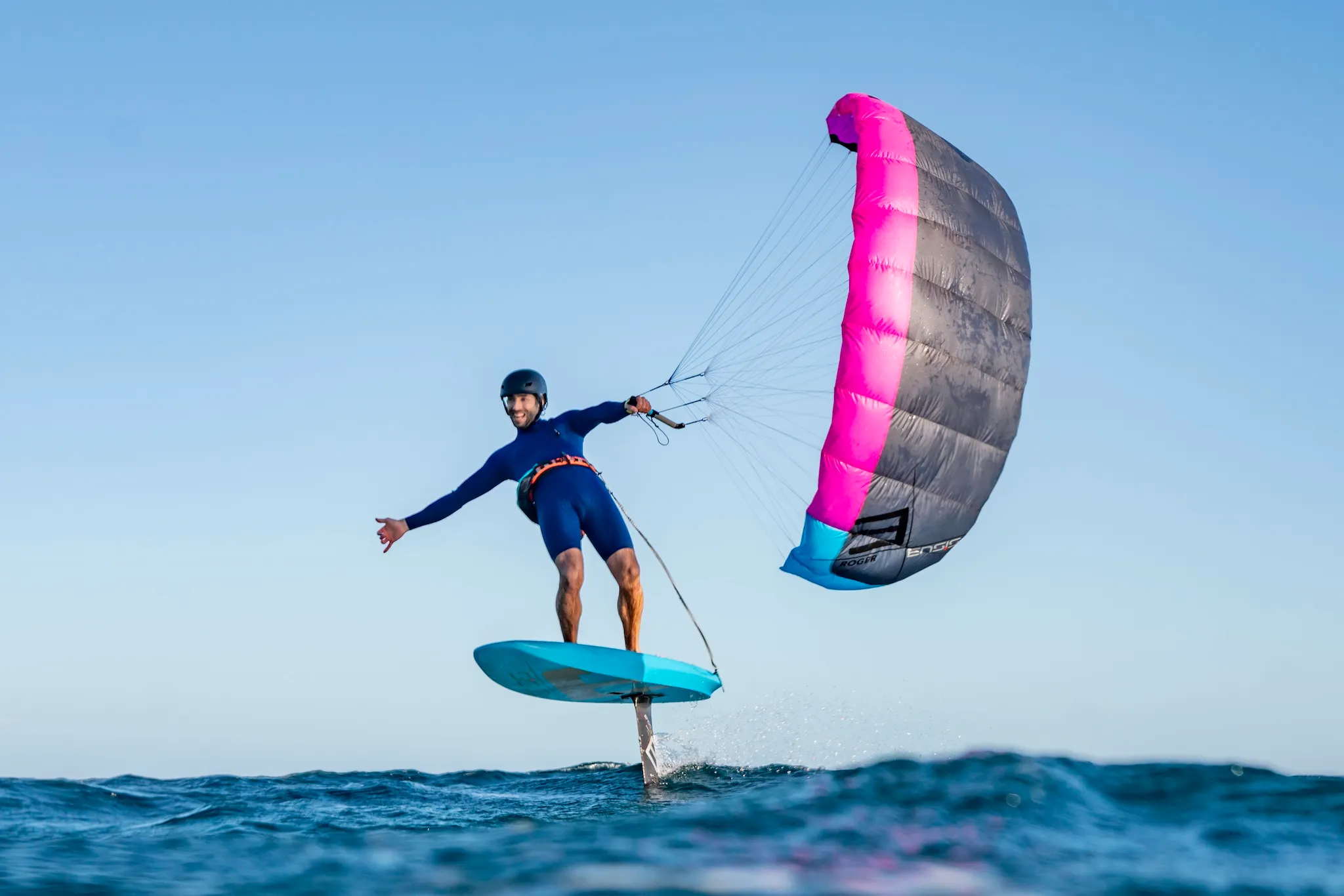
Ensis was the second brand to market with a parawing, launching the Roger in late 2024 just months after BRM’s Maliko V1. That early mover advantage, combined with a clear focus on intuitive handling and ease of use, has given Ensis a solid foothold in the growing parawing market. The V2 (2025 update) refines the original concept with improved low-end power and expanded sizing.
This guide covers the full Ensis Roger range: what the parawing offers, how it handles, what the community thinks, and whether it belongs on your shortlist.
About Ensis
Ensis is a brand known for producing high-performance equipment for wing foiling, prone foiling, and now parawingfoiling. They place emphasis on innovation, durability, and performance in their designs, with products recognised for attention to detail and thoughtful engineering.
Being among the first brands to follow BRM into the parawing market gave Ensis valuable time to build rider feedback and iterate. The move to a V2 within the first year demonstrates they’re actively listening to riders and refining based on real-world experience. That kind of development velocity matters in a category this young.
The Ensis Roger Parawing
The Roger is built around three core principles: intuitive handling, stability, and ease of use. It’s designed as a single-skin parawing with a focus on making the stow/deploy cycle as straightforward as possible.
Available sizes: 2.0m, 3.0m, 4.0m, 5.0m
Construction: Single-skin canopy with lightweight, durable, buoyant fabric that floats on water. Nylon wires along the leading edge support the aerodynamic shape. UHMWPE (ultra-high molecular weight polyethylene) bridle lines for durability and water resistance. Aluminium bar with EVA foam padding.
Key wind range: 12 to 30 knots overall (varies by size and rider weight)
Wind range guidance:
- Downwind board with foil over 1400cc: 12+ knots
- Downwind board with foil under 1300cc: 15+ knots
- Mid-length board with foil under 1300cc: 18+ knots
Key Features
3-Point Bridle System. The Roger’s bridle design is one of its strongest features. Three bridles meet and attach to centre-lines that connect to the bar. This simplified structure means fewer lines to manage, less tangling during stow/deploy, and faster setup. Shorter lines and fewer bridle connections than previous models make packing quicker and more intuitive.
Colour-coded everything. The wing, bar, and bridles all use consistent colour coding. Blue lines identify the leading edge, making it quick to orientate the parawing in the water for relaunch. The centre of the leading edge is clearly marked, helping you get the wing the right way up without fumbling.
Depower Control System. The Roger can be flown on front bridles only, allowing riders to dramatically reduce power while maintaining safety and manoeuvrability. This is a meaningful safety feature in gusty conditions.
Egg-shaped aluminium bar. Lightweight with EVA foam padding and rounded corners. A central hole accommodates the centre bridle attachment, and quick links with practical inserts simplify bridle management.
How the Roger Flies
Community feedback paints a consistent picture of the Roger’s character. The bar pressure is described as softer than many competitors, without the yanking feeling that some parawings produce in gusts. The wing tends to slide forward in the wind window, giving it more range and easier upwind ability than you might expect from a design focused on ease of use.
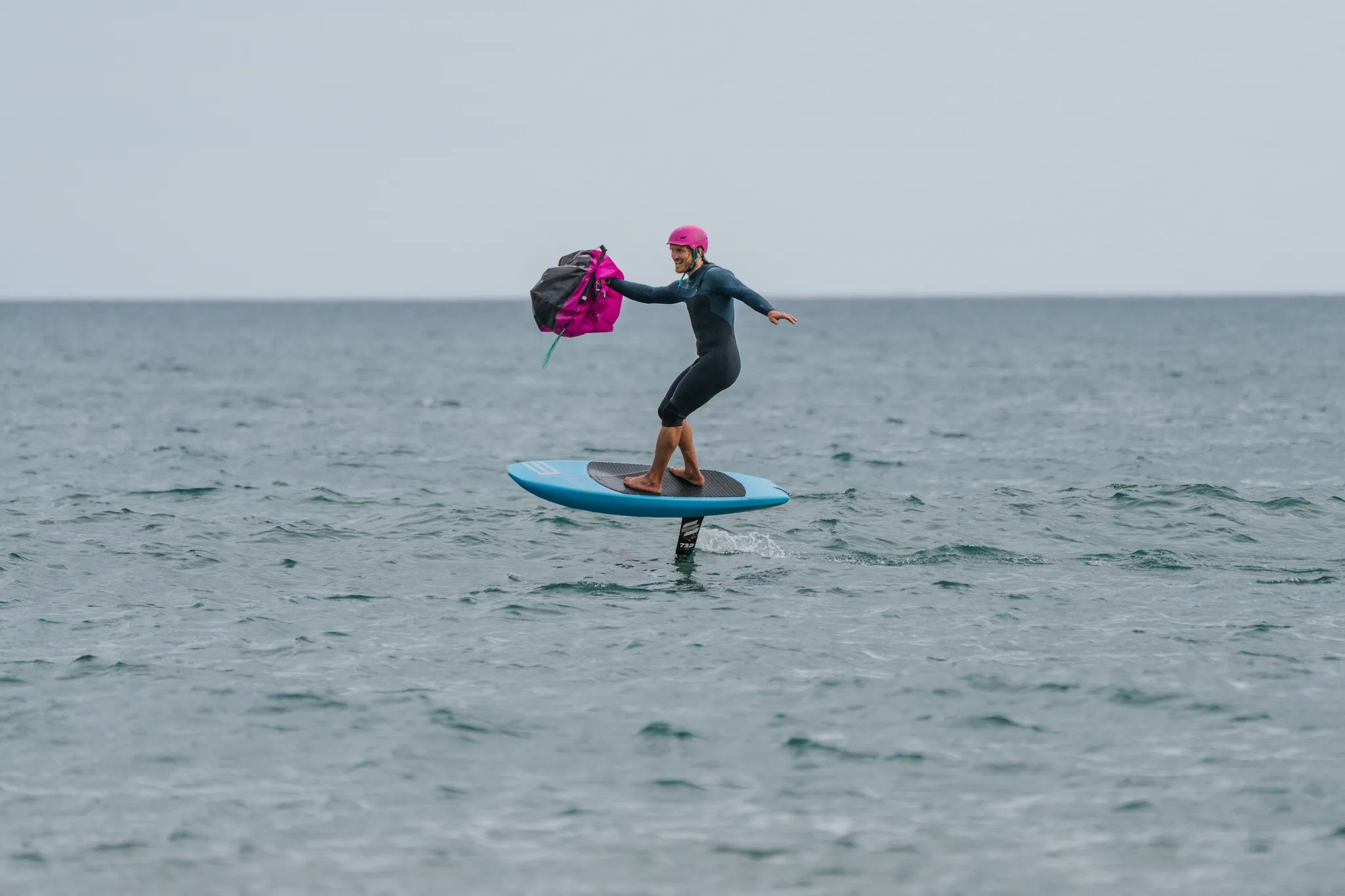
The stow/deploy cycle is where the Roger earns its reputation. The colour-coded system and simplified 3-Point Bridle make it genuinely quicker to sort lines and get the wing back in the air after a crash or a stow. For riders who are still building confidence with stow/deploy, this practical advantage matters more than any spec sheet.
Low-end power has been improved in the V2 with a refined leading-edge profile that makes it easier to generate speed and get onto the foil. This was a criticism of the original Roger, and the update has addressed it meaningfully.
Some beginners have noted that deployment isn’t quite as effortless as marketing suggests. Lines can still tangle, and depowering in strong, gusty wind requires practice and technique. This is true of all parawings, not just the Roger, but it’s worth setting realistic expectations.
V1 vs V2: What Changed
The V2 (2025 Roger) includes several design improvements based on rider feedback from the original:
- Refined leading-edge profile for increased low-end power
- Expanded size range from three sizes (2.0, 3.0, 5.0) to four sizes (2.0, 3.0, 4.0, 5.0)
- Updated bridle geometry with shorter lines and fewer bridle connections for easier packing
- Improved relaunch marking with a clearly marked centre on the leading edge
The core design philosophy carries over: intuitive handling, easy stow, and reliable redeployment. The V2 refines rather than reinvents.
Pros and Cons
Pros:
- Second brand to market after BRM, with genuine early-mover experience
- 3-Point Bridle System genuinely reduces tangling and simplifies setup
- Colour-coded wing, bar, and bridles make orientation and relaunch faster
- Softer bar pressure that’s forgiving for progressing riders
- Depower Control System adds a meaningful safety margin
- Already on V2, showing active product development
- Competitive pricing across the range
- Buoyant canopy material floats on water, aiding water relaunch
Cons:
- Four sizes is a narrower range than BRM (8 sizes in the Ka’a) or Duotone (6 sizes)
- Aluminium bar rather than the carbon used by most competitors (heavier)
- The Inertia noted the V1 suffered from overpowering issues; V2 reportedly addresses these
- Smaller community knowledge base than BRM or Ozone
- Less established dealer network than Duotone or Ozone in some regions
Community Feedback
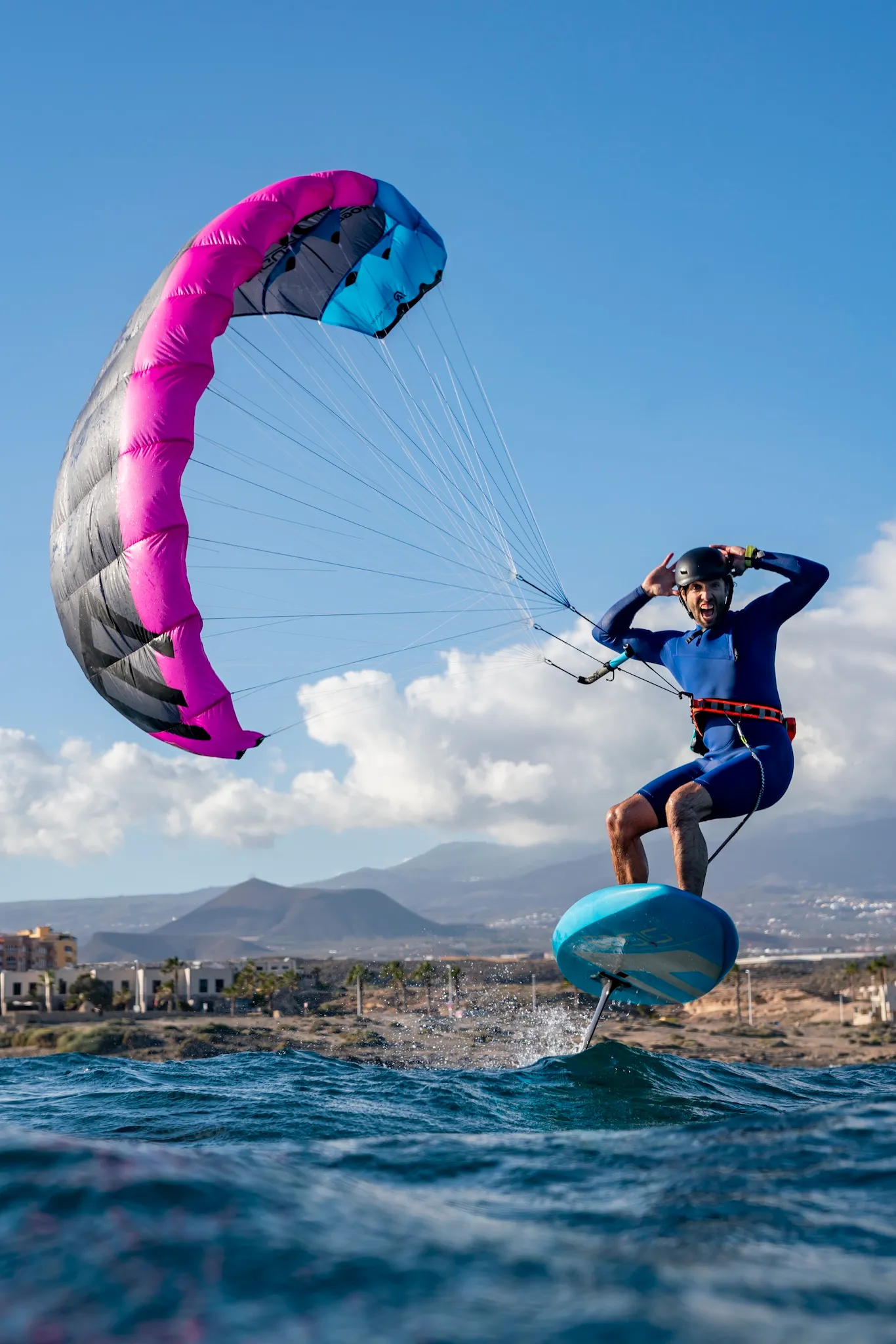
The Roger has built a growing base of rider feedback, particularly since the V2 launch. The most consistent praise centres on ease of use. The colour-coded system and 3-Point Bridle genuinely deliver on their promise: riders report faster setup, easier relaunch, and less frustration with tangled lines compared to other brands they’ve tried.
Bar feel draws positive comments. Compared to some competitors, the Roger’s bar pressure is described as softer and more forgiving, without the sudden pulling that can unsettle less experienced riders. The wing’s tendency to slide forward in the wind window gives it accessible upwind ability.
In a back-to-back comparison with the Flow D-Wing on the foilers-community.com review platform, the Roger was noted for its user-friendliness and intuitive handling. The test examined flight characteristics, deployment, and overall rider experience, with the Roger earning praise for its practical design touches.
Stand Up Magazin featured the Roger in a “parawing for beginners” piece, highlighting its approachability and the confidence-building nature of the colour-coded system and depower capability.
The most common criticism relates to the narrower size range. With four sizes (2.0, 3.0, 4.0, 5.0), there are gaps that riders in between those sweet spots may notice. BRM’s Ka’a offers eight sizes, and Duotone’s Stash offers six. If you fall between Roger sizes, you may need to compromise on wind range coverage.
Pricing
The Ensis Roger is priced competitively. MACkite lists all sizes at $839 USD. European pricing sits around €608 to €650 depending on the retailer. UK pricing is approximately £679 to £799 (some dealers are offering discounts on the current model).
| Size | Price (USD) | Price (EUR) | Price (GBP) |
|---|---|---|---|
| 2.0m | $839 | ~€608 | ~£679 to £799 |
| 3.0m | $839 | ~€608 | ~£679 to £799 |
| 4.0m | $839 | ~€608 | ~£679 to £799 |
| 5.0m | $839 | ~€608 | ~£679 to £799 |
Flat pricing across all sizes is unusual in the parawing market and works in the buyer’s favour for larger sizes, which typically cost more from other brands.
How Does Ensis Compare to BRM?
BRM has deeper heritage and a wider model range (four models vs one). Ensis competes on ease of use, pricing, and the practical advantages of the colour-coded system and simplified bridle.
Choose Ensis if: You prioritise ease of use, want an approachable parawing for progressing, value the colour-coded system for faster relaunch, and want flat pricing across all sizes. The Roger is a strong choice for riders who find other parawings intimidating to set up and deploy.
Choose BRM if: You want the deepest model range, the lightest and most packable parawings available, and the heritage of the brand that created the sport. BRM’s models are significantly lighter and more compact.
How Does Ensis Compare to Ozone?
Ozone brings 25+ years of paraglider engineering and leads on raw upwind performance. Ensis offers a more accessible, user-friendly approach at a lower price point.
Choose Ensis if: You want an easier, more forgiving parawing at a lower price. The Roger’s colour-coded system and softer bar pressure make it more approachable for progressing riders. Flat pricing also makes the larger sizes better value.
Choose Ozone if: You want top-tier upwind performance, the most reliable water relaunch, and the depth of two distinct models (Pocket Rocket and PowerPack) covering different riding styles.
How Does Ensis Compare to Gong?
Ensis and Gong both target the accessible end of the market, though from different angles. Gong leads on pure value; Ensis leads on design refinement and user-friendliness.
Choose Ensis if: You want more refined handling, the colour-coded system for easier setup, and the 3-Point Bridle for reduced tangling. The Roger is more polished in the details than the Lowkite.
Choose Gong if: You want the lowest entry price and a proven, straightforward design. Gong’s Lowkite remains the benchmark for budget-friendly parawingfoiling.
Where to Buy the Ensis Roger
Ensis has a solid dealer network, particularly in the UK where several shops stock the Roger.
UK dealers:
- 4boards (4boards.co.uk)
- Northern Watersports (northernwatersports.co.uk)
- SurfDek (surfdek.co.uk)
- 109 Watersports (109watersports.co.uk)
- King of Watersports (kingofwatersports.com)
- Simon Winkley Marine (shop.simonwinkley.com)
- Fluid Lines (fluid-lines.co.uk)
- Funsport (funsportonline.co.uk)
US dealers:
- MACkite Boardsports (mackiteboarding.com)
EU: Available through Ensis dealers. Check ensis.surf for stockists. Surfpirates (surfpirates.de) and Kiteworld Shop (kiteworldshop.com) stock the Roger in Europe.
Frequently Asked Questions
Is the Ensis Roger good for beginners?
The Roger is one of the most beginner-friendly parawings on the market. The colour-coded system, 3-Point Bridle, and softer bar pressure all make it easier to learn than many competitors. The Depower Control System adds a safety margin that’s genuinely useful when you’re still learning to manage power. Stand Up Magazin specifically highlighted it as a strong parawing for beginners.
What’s the difference between the Ensis Roger V1 and V2?
The V2 includes a refined leading-edge profile for better low-end power, an expanded size range (the 4.0m is new), shorter lines and fewer bridle connections for easier packing, and improved relaunch markings. The core design philosophy remains the same.
What size Ensis Roger should I get?
For a rider in the 70 to 85kg range in moderate conditions (12 to 25 knots), the 4.0m or 5.0m will cover most sessions. For stronger wind or lighter riders, the 3.0m is the versatile middle ground. The 2.0m is for strong wind only. Check our parawing size guide for a detailed breakdown by rider weight and wind strength.
How does the Ensis Roger compare to BRM?
BRM has deeper heritage, a wider model range, and lighter weight. Ensis competes on ease of use, pricing, and the practical advantages of the colour-coded system. If user-friendliness is your top priority, the Roger is worth serious consideration.
The Verdict
The Ensis Roger is a well-considered parawing that prioritises the practical side of the sport. Where some brands chase maximum performance or minimum weight, Ensis has focused on making the stow/deploy cycle as painless as possible. The colour-coded system and 3-Point Bridle deliver on that promise in a way that genuinely reduces frustration on the water.
The V2 iteration demonstrates that Ensis are committed to refining based on real rider feedback. The improved low-end power and expanded size range address the main criticisms of the original, and the competitive flat pricing makes the Roger excellent value, particularly in the larger sizes.
The Roger won’t win awards for the lightest construction or the fastest upwind speed. What it offers instead is an accessible, confidence-building experience that makes parawingfoiling less intimidating for riders who are still progressing. For that audience, it’s one of the best options available.
More on Ensis
Our brand overview covers Ensis's history, full product range, and where to buy.
Read the Ensis brand overview