
Flow Paragliders
Flow Paragliders D-Wing: Full Brand Overview (2026)
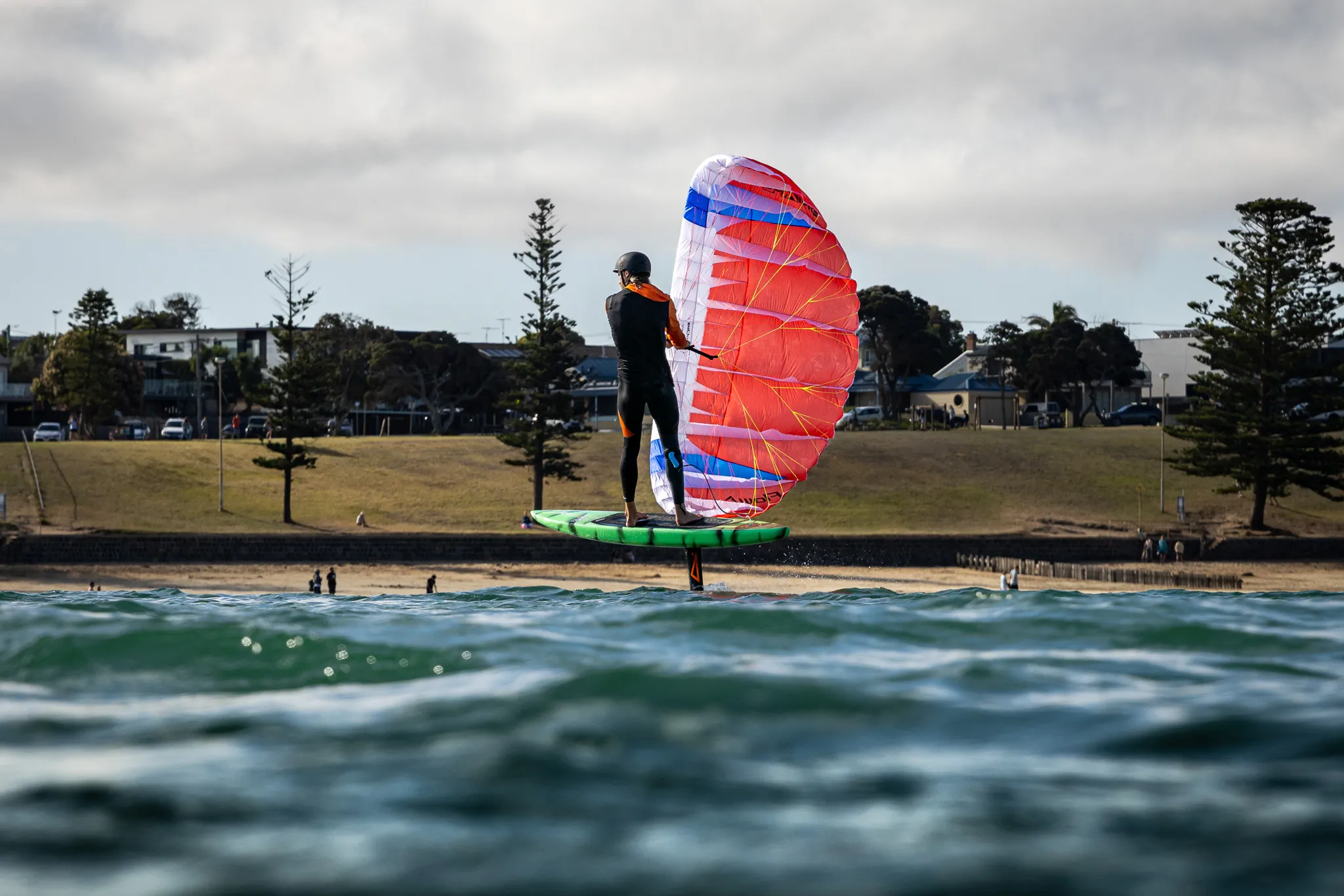
Flow Paragliders bring a genuinely unique design philosophy to the parawing market. Their D-Wing uses a reflex airfoil that virtually eliminates the risk of canopy collapse, a feature that no other parawing brand currently offers. For riders who prioritise stability and safety, this is a significant engineering differentiator.
This page covers what makes the D-Wing different, the materials and construction behind it, and whether it belongs on your shortlist.
About Flow Paragliders
Flow Paragliders is an Australian brand with deep roots in paraglider design. Their expertise in reflex airfoil technology, originally developed for paragliders, translates directly into parawing performance. Understanding how to build a canopy that stays stable even when fully depowered is a genuinely specialised skill, and Flow's background gives them a meaningful advantage here.
The Flow D-Wing Parawing
The D-Wing's standout feature is its reflex airfoil design. In practical terms, this means the canopy maintains its shape and stability even when fully depowered, virtually eliminating the risk of canopy collapse. This is a real confidence builder for riders in gusty conditions or those still learning to manage power through the bar.
The technology allows riders to achieve higher upwind angles while enjoying a remarkably stable canopy free from deflations. Even in gusty or challenging conditions, the wing can be flown using just the front lines, dramatically reducing power while maintaining safety and manoeuvrability.
Available Sizes
| Size | Colour |
|---|---|
| 2.5m | Unique colour combination |
| 3.0m | Unique colour combination |
| 3.7m | Unique colour combination |
| 4.2m | Unique colour combination |
| 5.5m | Unique colour combination |
Each size has a unique colour combination for high visibility on the water.
Materials and Construction
- Canopy: Porcher Skytex ripstop for durability and a superb in-flight feel
- Lines: Liros Technora for unmatched strength-to-weight performance
- Bar: Lightweight carbon fibre for responsiveness and control
- Bridles: Colour-coded lines and canopy for easy stowing and relaunching
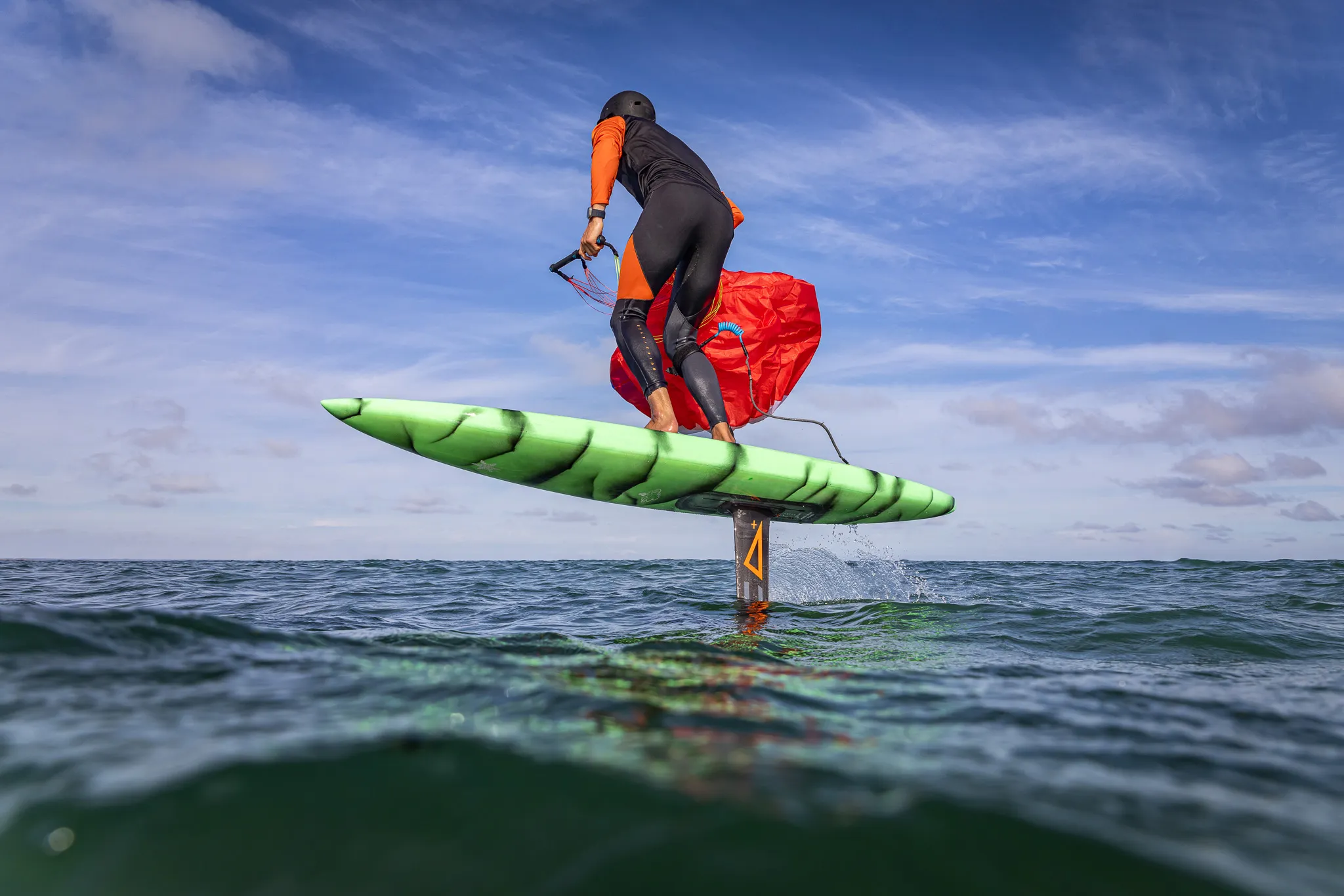
Pros and Cons at a Glance
Pros
- Reflex airfoil design virtually eliminates canopy collapse
- Excellent stability even when fully depowered
- Premium materials: Porcher Skytex canopy, Liros Technora lines
- Higher upwind angles than many competitors
- Colour-coded lines and canopy simplify stowing and relaunching
- Genuine paraglider engineering heritage
Cons
- Australian-based brand with limited European and US dealer presence
- Smaller community knowledge base compared to BRM or Ozone
- Less rider feedback available due to newer market entry
How Does Flow Compare?
Flow's reflex airfoil is genuinely unique in the parawing market. No other brand offers the same level of canopy collapse resistance, which makes the D-Wing particularly interesting for riders who prioritise safety and stability above all else.
Ozone is the closest competitor in terms of paraglider heritage. Both brands bring decades of canopy design expertise to parawingfoiling. Ozone's Pocket Rocket has a larger rider community and more feedback available, but Flow's reflex technology offers a different approach to canopy stability.
BRM leads on weight and packability. Flow's D-Wing uses premium, heavier materials like Porcher Skytex and Liros Technora, which deliver excellent performance but add weight compared to BRM's ultra-lightweight approach.
Where to Buy the Flow D-Wing
Flow Paragliders sell through their website at flowparagliders.com.au. As an Australian-based brand, international shipping is available but buyers should factor in delivery times and potential customs duties for UK, EU, and US orders.
Frequently Asked Questions
What is a reflex airfoil?
A reflex airfoil is a canopy design that maintains its shape even when fully depowered. This virtually eliminates the risk of the canopy collapsing (deflating), which is a genuine safety advantage in gusty conditions. Flow's paraglider background gives them deep expertise in this technology.
Is the Flow D-Wing good for beginners?
The D-Wing's collapse-resistant design makes it one of the safest canopies available, which is appealing for newer riders. The premium materials and construction also deliver a refined ride. That said, beginners should also consider the Gong Lowkite if budget is a factor.
How does the Flow D-Wing compare to Ozone?
Both brands come from paraglider backgrounds. Ozone's Pocket Rocket leads on upwind performance and has a larger rider community. Flow's D-Wing offers superior canopy stability through its reflex airfoil technology. The choice depends on whether you prioritise upwind performance (Ozone) or canopy stability (Flow).
The Bottom Line
Flow Paragliders bring a genuinely innovative approach to parawing design. The reflex airfoil technology is a real differentiator that offers meaningful safety and stability advantages. Combined with premium materials and the backing of a genuine paraglider manufacturer, the D-Wing is a compelling option for riders who value stability and canopy confidence above all else. If you can navigate the international ordering process from Australia, the D-Wing is well worth considering.
Read our full Flow D-Wing review for detailed specs, community feedback, and pricing.
Want the full review?
Our detailed review covers community feedback, honest pros and cons, and how Flow Paragliders compares to the competition.
Read the full Flow Paragliders review